7 Art Journaling Lessons I Wish I Knew From the Beginning
I've made volumes of art journals and wish I could go back and tell myself a few things about mindset. When I began art journaling, I remember I thought I needed all of the “right” things. Paper, techniques and a clear idea of what to make. Over time, I realized that art journaling is much more flexible and forgiving than I imagined.
There’s No “Right” Way to Art Journal
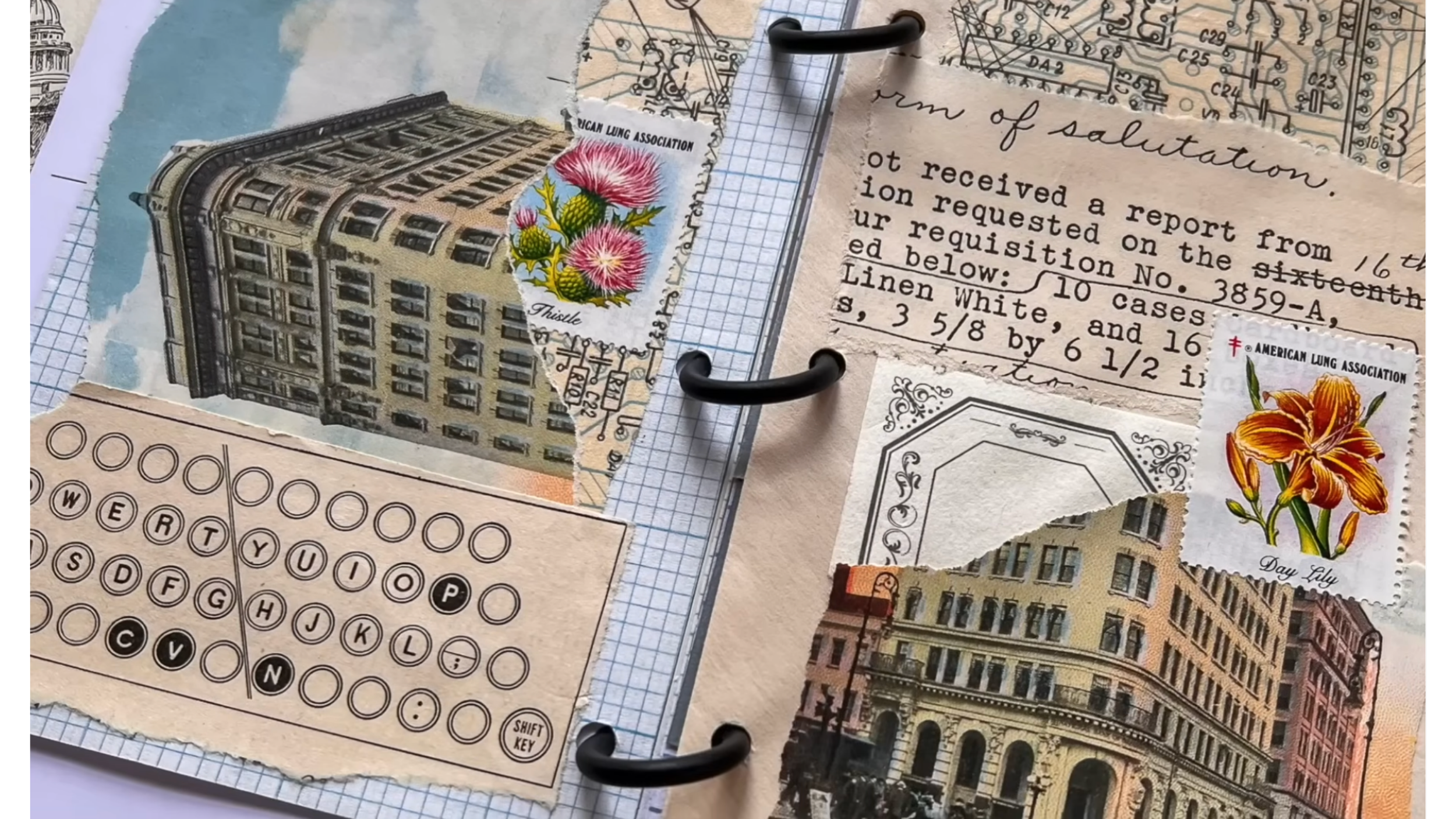
There are no strict rules for art journaling. An art journal can mean anything in a book format that lets you explore creatively.
I used to compare other artists' art to mine, thinking my art should look the same. In time, I realized your art journal doesn't have to like anyone else's. It can be as simple, colorful, or collage heavy as you like. As long as you are creating something personal using your inspiration there is no need to worry about “doing it correctly.”
You Don’t Need Expensive Supplies
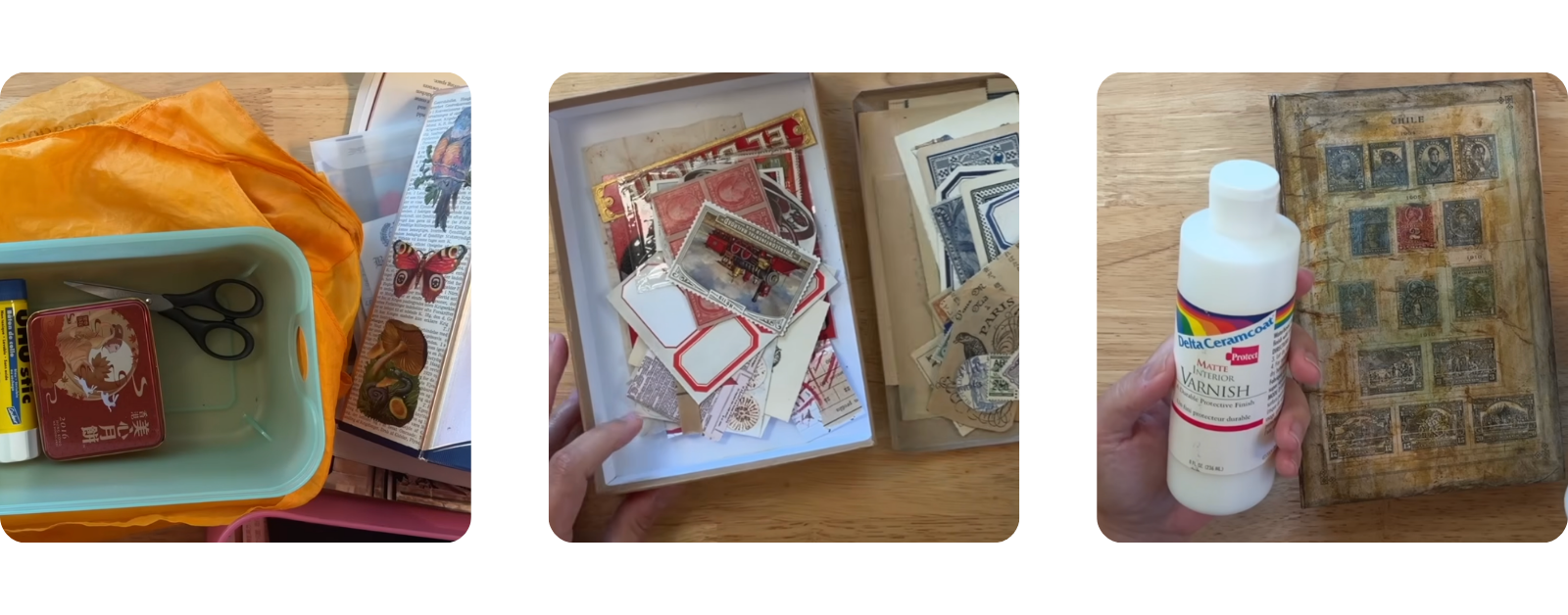
My best pages have materials from daily activities. A takeout menu, a napkin, food packaging, magazine cutouts, and envelopes. The expensive mixed media sets can provide great inspiration, but you don't need to wait to start until you have what you think are the correct materials. There is no correct set, so get comfortable creating with what you have.
Start Small Instead of Overcomplicating Everything
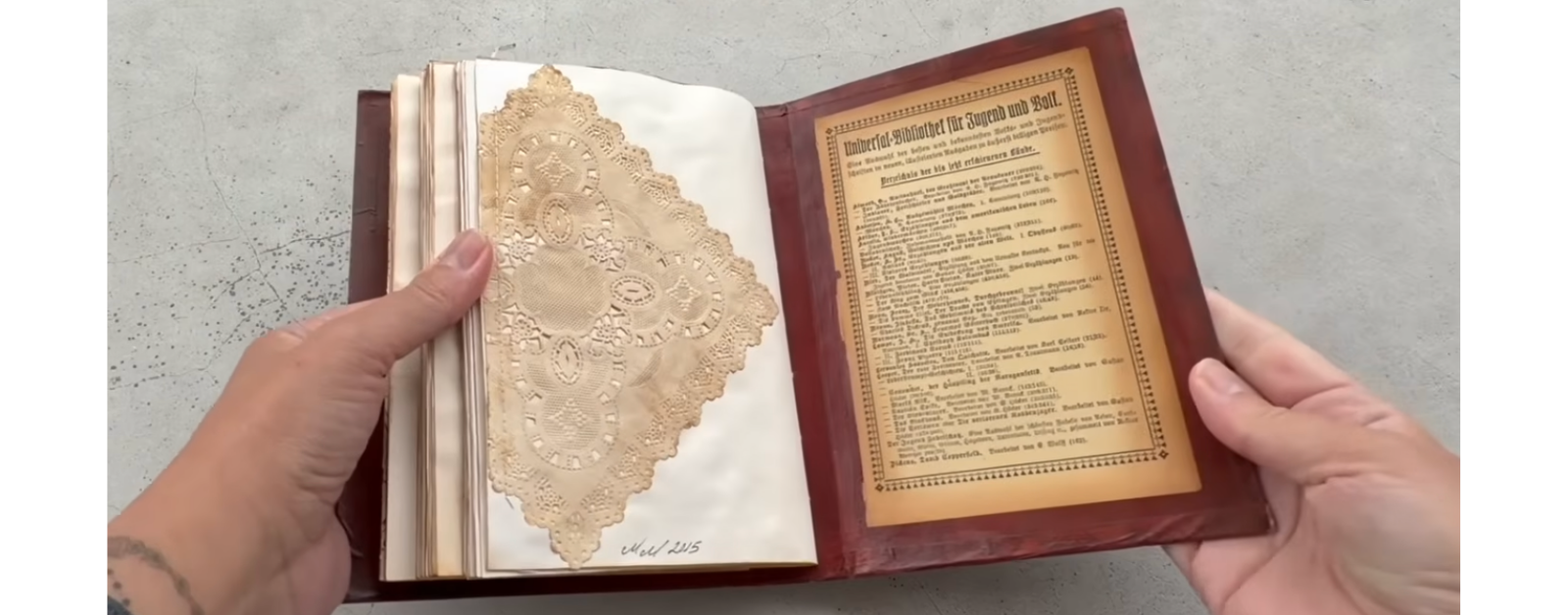
Starting collage can feel exciting and inviting to dive into a big project right away, which can become overwhelming. Starting with smaller, simpler pages helped me build confidence in my skills faster than the elaborate journals. By working small, I realized that the small pages taught me more than the big projects.
Planning a Little Can Save You Stress Later
I don’t have every page planned out before I create. However, preparedness makes the process a lot easier. I like knowing the theme and collection of materials before starting to work on a page. Instead of having all of my materials out in front of me, I'll pick what I believe works best and leave everything else out of the way. That way I'm choosing from ten things, instead of a collection of hundreds of things, to use for my art.
Experimentation Is Part of the Process
Art journaling is one of the best places to experiment with materials, techniques, and compositions because there is no pressure. A failed page costs nothing, just turn to the next one. Sometimes, an idea will not turn out as good as we expected. But, that's okay, every experiment can teach you something about your own creative style.
Your Journal Doesn’t Have to Be Finished Quickly
Sometimes, inspiration can be found in old projects. I have started multiple journals that I have revisited over time. The process can feel more like a timeline than a project because inspiration does not always strike all at once. That flexibility takes away the pressure to finish something and allows the creative process to evolve naturally.
The Process Matters More Than the Result
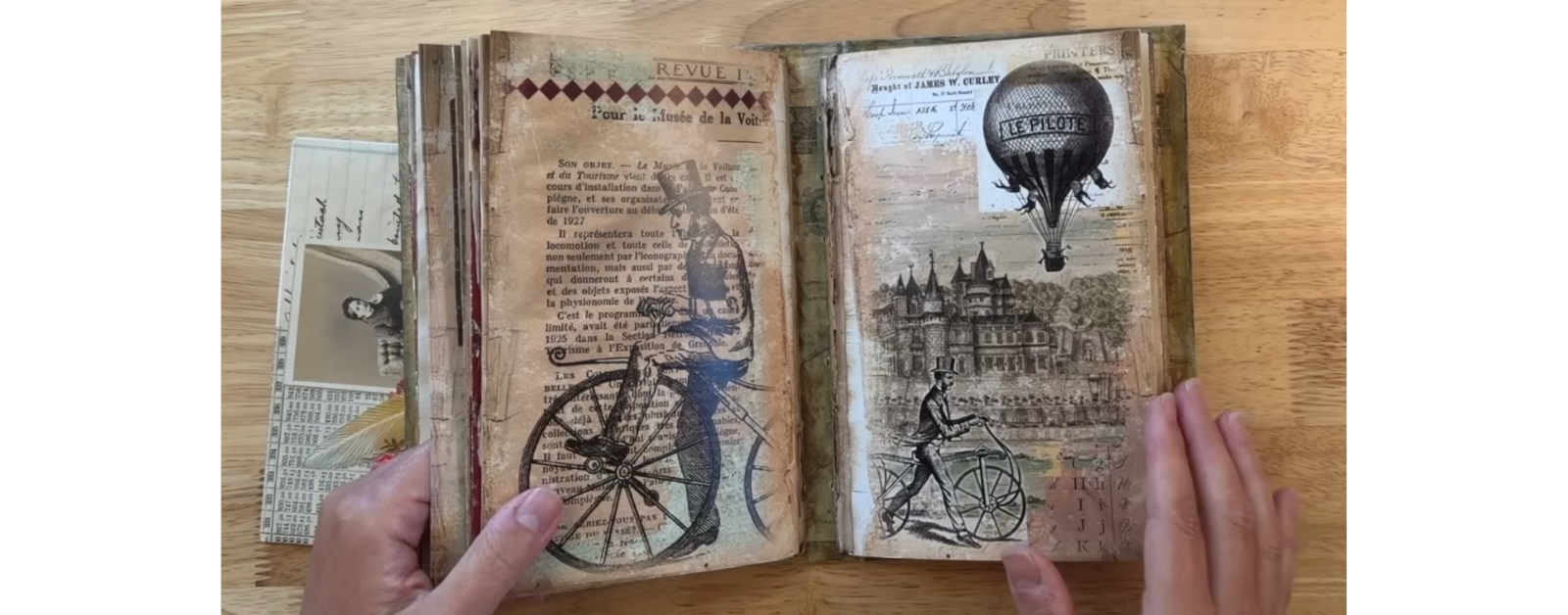
I used to be too concerned about making my pages look good. But, eventually, I realized the real value of art journaling is the experience of creating. Art journaling will teach you to notice particular elements about texture, colors, paper, and everyday details you might otherwise overlook. That's the part of the journaling process that I appreciate the most. It’s the time I spent paying attention to the little things around me and allowing myself to be present.
In the end, journaling taught me that creativity doesn't have to be perfect or impressive to be worthwhile. The pages I spent experimenting and making mistakes were more valuable than creating something polished.
If you'd like to hear more about these lessons and see examples of creative ideas in action, visit my YouTube channel. I also have a FREE 8-page magazine, full of ideas for beginners, to inspire you to grab some papers and start collaging! Get yours here.